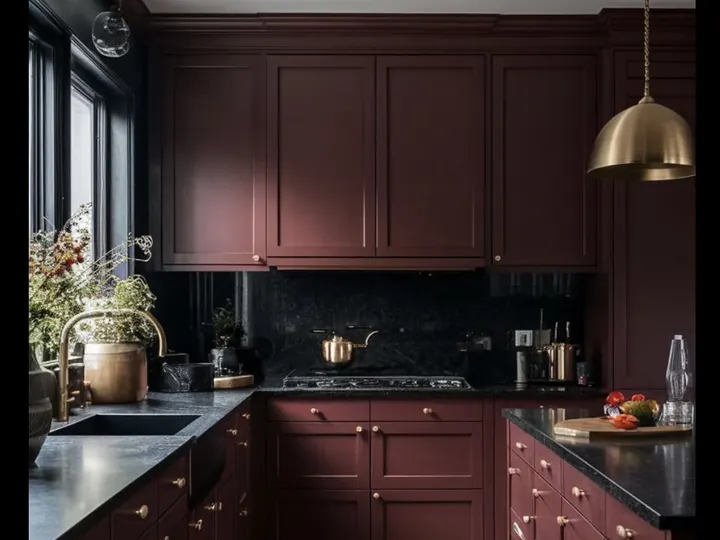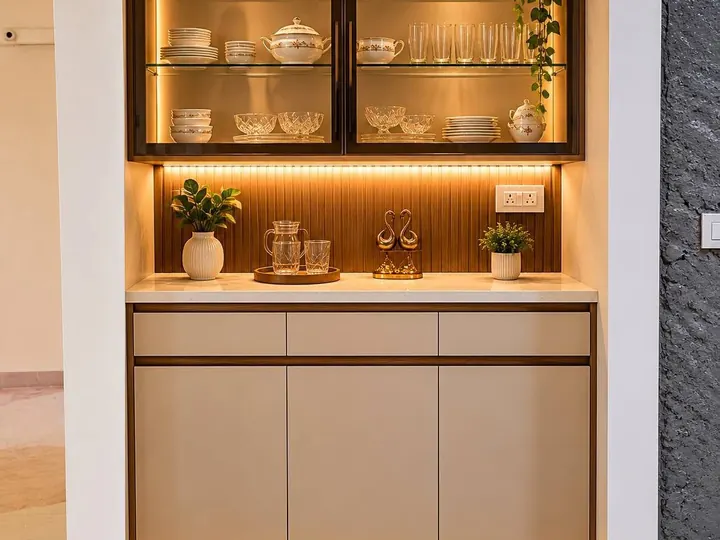
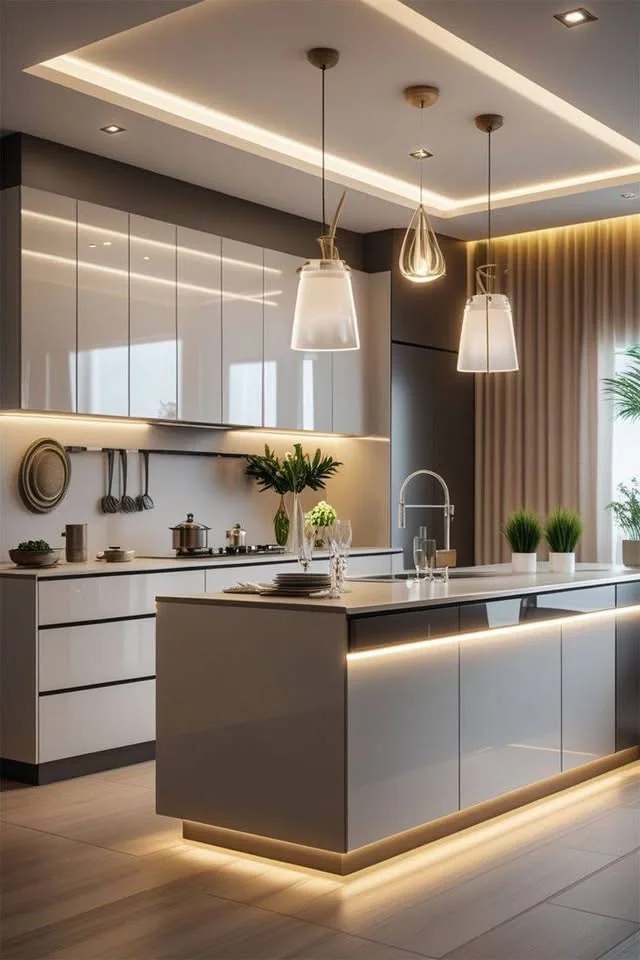
A good result for Modern luxury kitchen designs begins long before cabinet manufacturing. It requires a practical brief for modern luxury design principles, supported by accurate measurements and decisions that reflect calm palettes, integrated appliances and precise detailing.
This guide is written for homeowners planning a sophisticated contemporary kitchen. It explains the choices that influence daily use, durability, budget and installation, while avoiding the vague promises that make quotations difficult to compare.
- Invest in detailing and performance
- Coordinate appliances, lighting and joinery
- Use a controlled material palette
- Demand precise installation and after-sales support
Luxury begins with proportion
For modern luxury design principles, cabinet lines, appliance placement, worktop thickness, lighting and negative space must relate to one another. Expensive surfaces cannot rescue awkward proportions. Resolve the plan and elevations before selecting statement materials.
Use a disciplined material palette
Combine one dominant finish, one supporting texture and a carefully controlled accent. Natural-looking wood, stone, metal and glass can work together when tones are coordinated. Too many premium materials compete and make the room feel like a showroom.
Decision checklist
- Room and service measurements verified for calm palettes, integrated appliances and precise detailing
- Appliance models and ventilation requirements recorded
- Storage requirements prioritised by daily frequency
- Material, hardware and worktop specifications written
- Installation scope, exclusions and after-sales contact confirmed
Invest in movement and touch
Drawer systems, hinges, pocket doors, lift-up shutters and handle profiles are experienced every day. Smooth movement, suitable load ratings and accurate alignment create a stronger sense of quality than decorative additions that are rarely used.
Coordinate lighting and appliances early
Task lighting, ambient lighting and feature lighting should be planned with cabinet details and electrical loads. Built-in appliances need ventilation, access and consistent alignment. Premium execution depends on these technical layers being resolved before fabrication.
A reliable project process
Regardless of style, a kitchen becomes easier to control when each decision is made at the correct stage. The process below creates clear approval points and reduces expensive changes during fabrication.
- SurveyMeasure the room, services, openings, levels and access conditions.
- BriefRecord users, appliances, storage, style preferences and budget priorities.
- DesignApprove the layout, elevations, internal modules, lighting and material palette.
- SpecifyDocument board grades, finishes, hardware series, worktop and exclusions.
- ExecuteCoordinate site readiness, production, installation and final snag correction.
Common mistakes to avoid
Most kitchen problems are not caused by one dramatic decision. They come from small omissions that become visible only during installation or daily use.
- Choosing a layout from a photograph before measuring the room
- Freezing cabinet dimensions before confirming appliance models
- Comparing prices without matching material and hardware specifications
- Ignoring ventilation, plumbing access and electrical load
- Approving production without dimensioned drawings
- Leaving installation, civil work and after-sales responsibility unclear
Plan the specification before you commit the budget
For Modern luxury kitchen designs, the strongest next step is a measured discussion about your room, cooking routine, appliances and priorities. Mum Grhum can help translate those details into a practical design and itemised scope.
Questions about Modern luxury kitchen designs
Luxury comes from proportion, material consistency, precise detailing, strong hardware, integrated lighting, ergonomic storage and dependable installation—not simply from using glossy or expensive surfaces.
Not necessarily. Invest where performance and touch matter most, such as hardware, worktops, drawer systems, edge quality and frequently used shutters. Use restraint elsewhere.
Yes. Choose stain-resistant surfaces, accessible corners, practical handle profiles, correctly detailed joints and finishes that suit the household’s cleaning habits.
Limit the palette, repeat details consistently, conceal visual clutter, coordinate appliances and lighting, and let one or two materials provide the focal character.