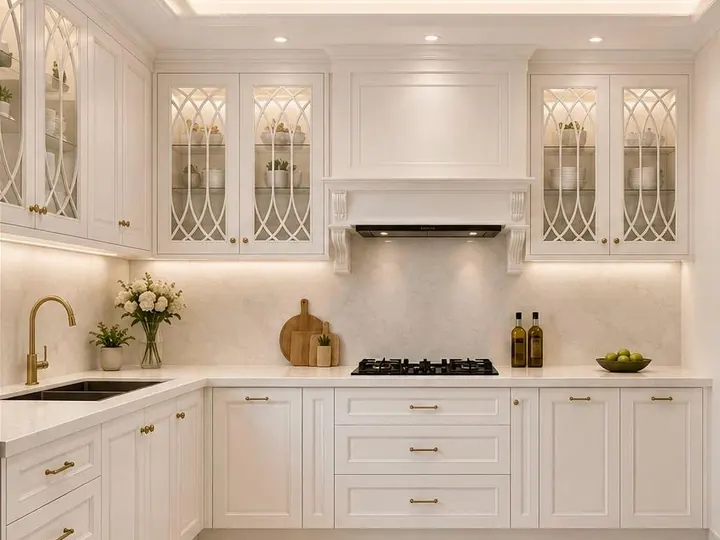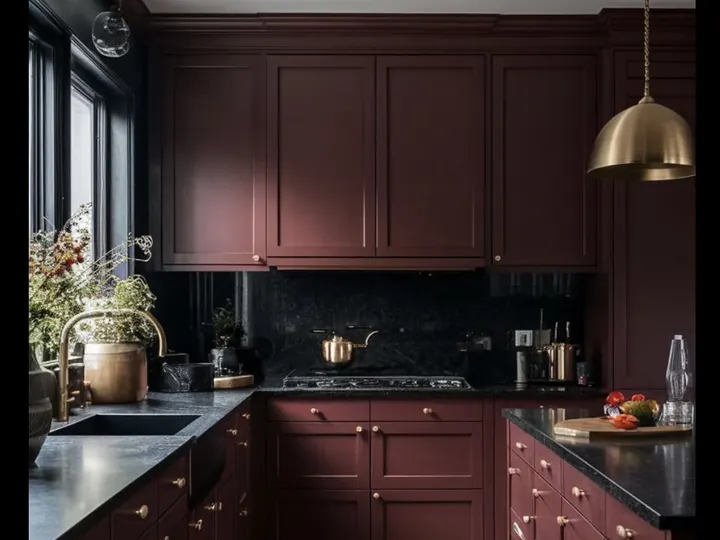
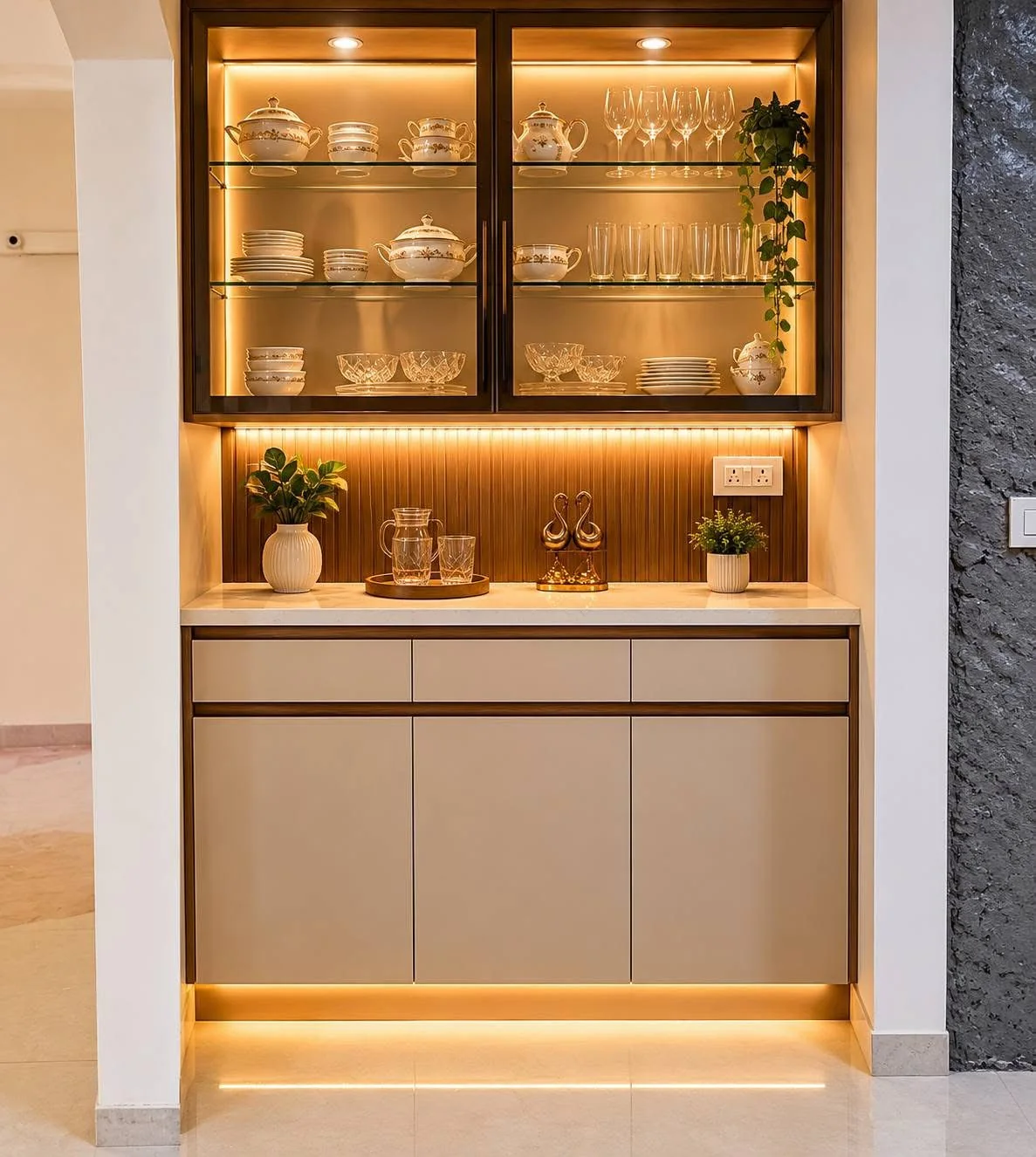
The veneer vs laminate modular kitchen decision is not necessarily either-or. Many premium kitchens use veneer in visible focal areas and laminate in internal or high-wear zones. The goal is to place each material where its strengths matter.
What veneer offers
Natural veneer provides real wood grain variation, depth and warmth. Because each sheet is different, the kitchen can feel more bespoke. Veneer normally needs polishing or protective finishing and should be detailed carefully around edges.
What laminate offers
Laminate provides consistent colour and pattern, easy maintenance and a wide range of price points. It is a practical choice for daily-use kitchens and can convincingly reproduce wood, stone, solid colour and textured surfaces.
Maintenance and repair
Laminate is generally straightforward to clean. Veneer requires more care to preserve the finish and may need refinishing over time. Direct exposure to water or heat should be avoided for both.
A premium combination strategy
Use veneer on tall units, island fronts or feature cabinetry, then use a coordinated laminate for working areas or secondary shutters. This reduces cost while keeping the natural material visible where it has the greatest impact.
Grain matching matters
With veneer, discuss grain direction and sequencing before fabrication. Random grain can make an otherwise premium kitchen look unplanned.
Want a warm wood kitchen without overusing veneer?
We can help balance veneer and practical finishes across the modules that matter most.
Questions about veneer vs laminate modular kitchen
Yes, when applied and finished correctly and kept away from prolonged water exposure.
In most specifications, laminate is more cost-efficient, but exact cost depends on the selected product and substrate.
Yes. Mixing them strategically is a common way to balance premium appearance and practicality.
It may require more careful cleaning and periodic refinishing depending on the coating and usage.