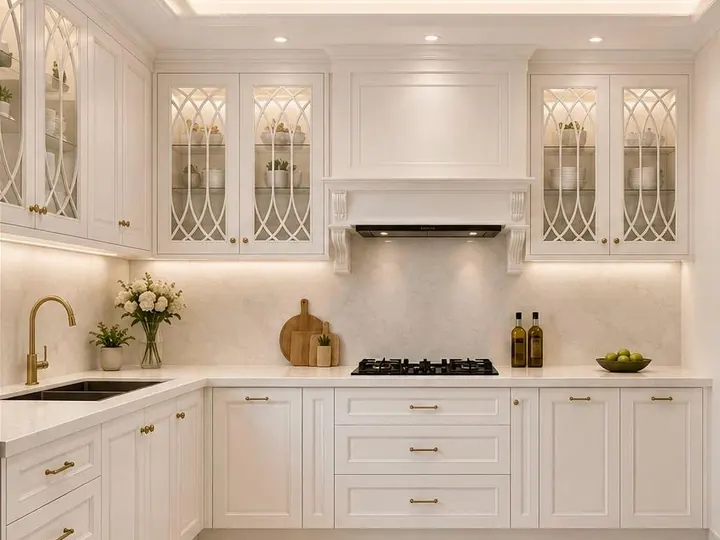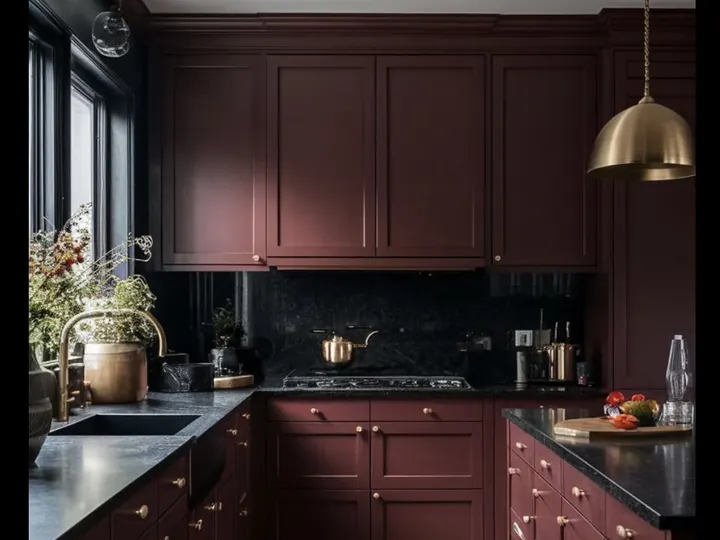
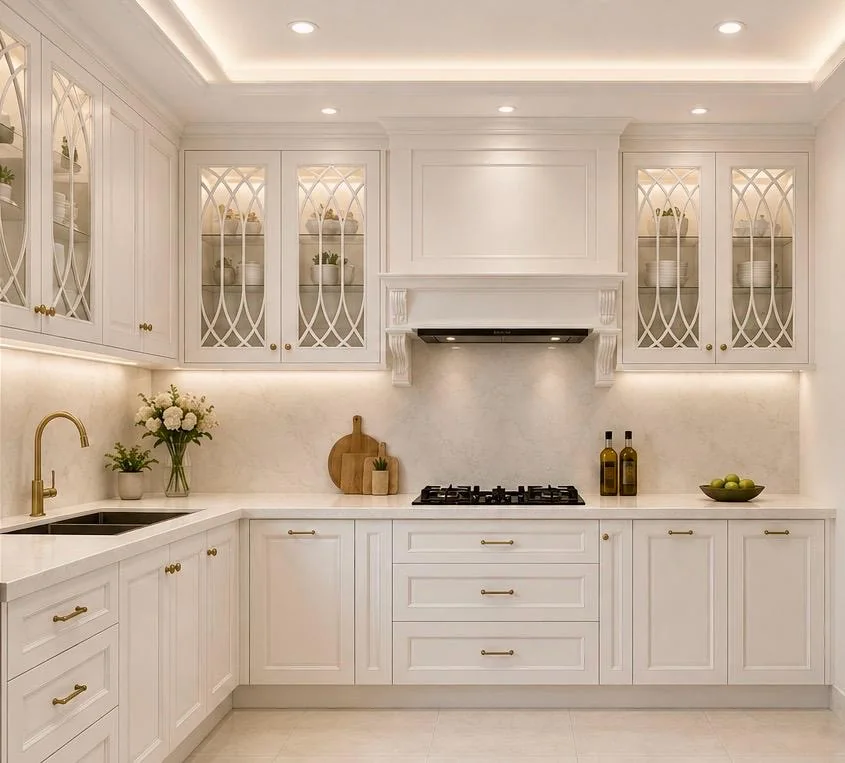
Sleek kitchen designs Lucknow is best approached as a planning problem before it becomes a colour-and-finish decision. For homeowners who prefer clean visual lines and low clutter, the biggest gains come from resolving workflow, storage, services, materials and responsibility before production starts.
This guide is written for homeowners who prefer clean visual lines and low clutter. It explains the choices that influence daily use, durability, budget and installation, while avoiding the vague promises that make quotations difficult to compare.
- Hide clutter through purposeful storage
- Keep junctions and alignments precise
- Limit finishes and handles
- Plan maintenance before selecting seamless surfaces
Minimalism requires more planning, not less
Clean counters are possible only when appliances, groceries, waste, cleaning supplies and everyday utensils have defined storage. Concealed zones should remain quick to access; otherwise the counter becomes cluttered again.
Alignment becomes highly visible
Flush shutters, handleless channels and continuous lines reveal small installation errors. Plan fillers, appliance gaps, ceiling junctions and end panels on elevations. Accurate site conditions and careful fitting are essential.
Decision checklist
- Room and service measurements verified for handleless profiles, flush shutters and organised worktops
- Appliance models and ventilation requirements recorded
- Storage requirements prioritised by daily frequency
- Material, hardware and worktop specifications written
- Installation scope, exclusions and after-sales contact confirmed
Limit the palette
Use one principal cabinet finish, a complementary worktop and a restrained accent. Texture and lighting can create depth without adding many colours. Select finishes that are easy to clean because large uninterrupted surfaces show marks clearly.
Avoid hiding necessary ventilation
A seamless appearance should not block refrigerator airflow, chimney ducts, appliance service panels or under-sink access. Technical openings can be integrated discreetly without sacrificing maintenance.
A reliable project process
Regardless of style, a kitchen becomes easier to control when each decision is made at the correct stage. The process below creates clear approval points and reduces expensive changes during fabrication.
- SurveyMeasure the room, services, openings, levels and access conditions.
- BriefRecord users, appliances, storage, style preferences and budget priorities.
- DesignApprove the layout, elevations, internal modules, lighting and material palette.
- SpecifyDocument board grades, finishes, hardware series, worktop and exclusions.
- ExecuteCoordinate site readiness, production, installation and final snag correction.
Common mistakes to avoid
Most kitchen problems are not caused by one dramatic decision. They come from small omissions that become visible only during installation or daily use.
- Choosing a layout from a photograph before measuring the room
- Freezing cabinet dimensions before confirming appliance models
- Comparing prices without matching material and hardware specifications
- Ignoring ventilation, plumbing access and electrical load
- Approving production without dimensioned drawings
- Leaving installation, civil work and after-sales responsibility unclear
Plan the specification before you commit the budget
For Sleek kitchen designs Lucknow, the strongest next step is a measured discussion about your room, cooking routine, appliances and priorities. Mum Grhum can help translate those details into a practical design and itemised scope.
Questions about Sleek kitchen designs Lucknow
Begin with a measured site assessment, an appliance list, storage requirements and a realistic budget range. The layout should be resolved before colours and decorative finishes.
Compare workflow, usable storage, cabinet dimensions, materials, hardware, service coordination, installation scope, warranty and exclusions—not only rendered images.
Yes. A modular system should still be tailored to the room, users, cooking habits, appliances and maintenance preferences.
It reduces ambiguity by recording exactly what will be supplied, how it will be measured, what is excluded and who is responsible for each part of execution.